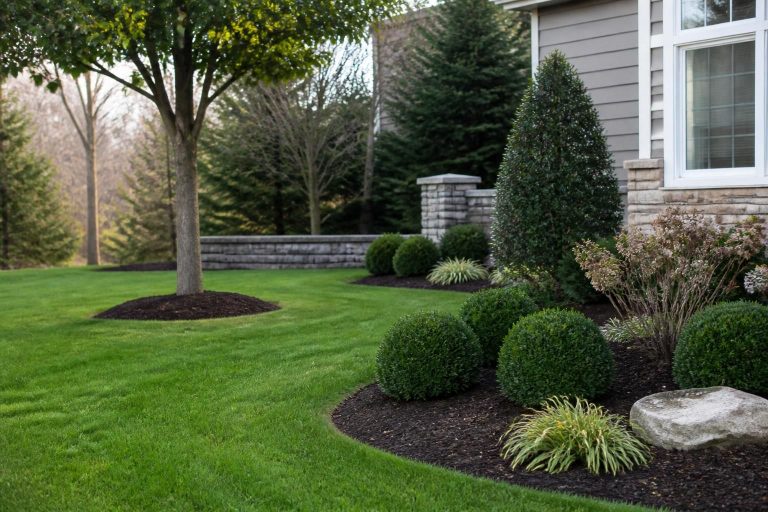
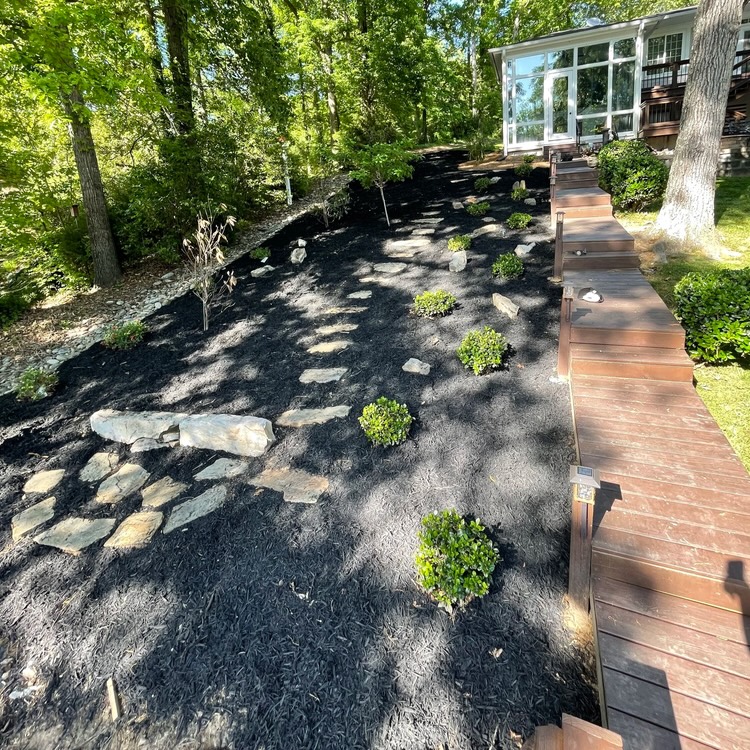
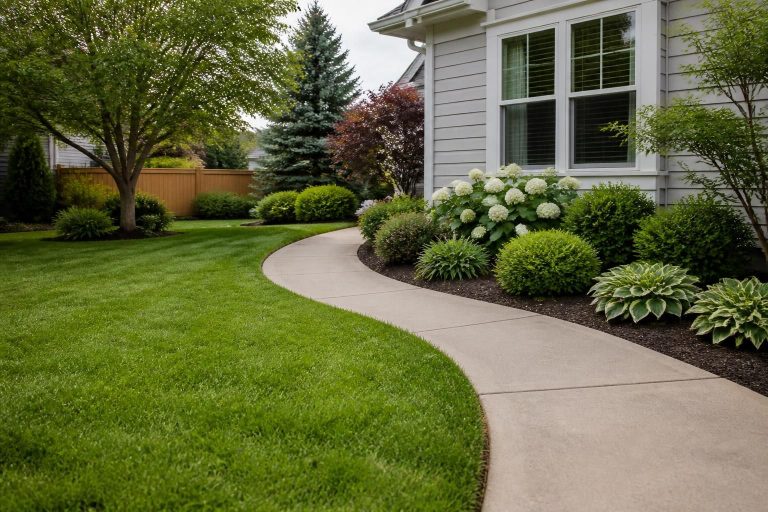
Overgrown hedges can block windows, crowd walkways, or make an entry feel closed in. Shrubs that have lost their shape can also hide the balanced look of a landscape. Trimming can bring plants back into proportion while keeping their natural growth and flowering needs in mind.
The Good News Lawncare provides shrub and hedge trimming in Rock Hill, Fort Mill, Lake Wylie, and nearby communities. We can discuss the plants, the shape you want to maintain, and the areas that need attention before the work begins.
Professional Shrub & Hedge Trimming in Rock Hill, SC
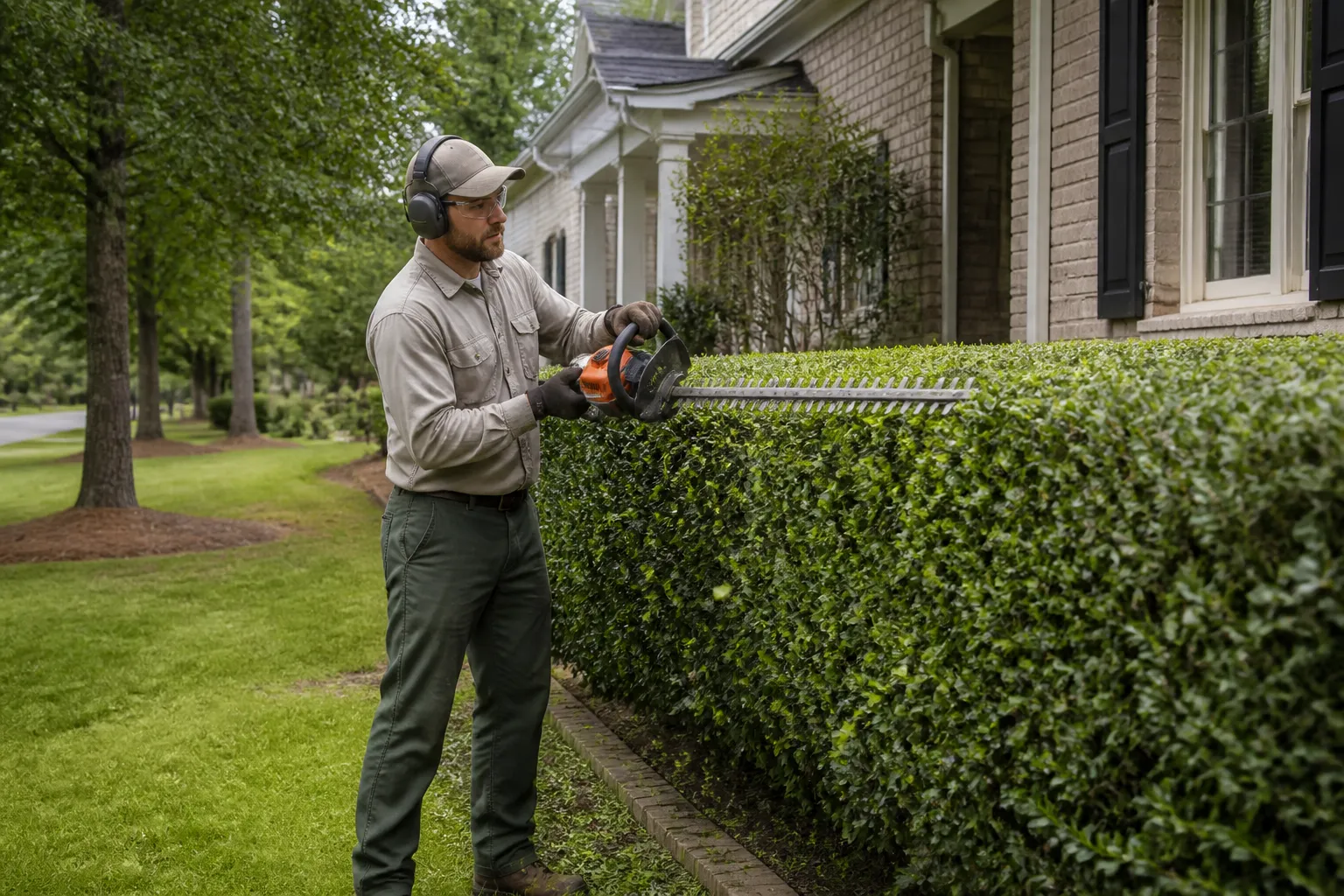
Each shrub responds differently to pruning. Some plants are shaped for a clean, formal line, while others look better with selective cuts that preserve their natural form. A thoughtful trim can help control size, remove unwanted growth, and keep hedges from crowding doors, sidewalks, driveways, or neighboring plants.
Our approach is based on the condition and purpose of the planting. We look at how the shrub is growing, where new growth is developing, and whether the plant is grown for flowers or screening. That helps guide the amount and timing of trimming rather than treating every plant as if it needs the same cut.
Signs Your Shrubs or Hedges Need Attention
A light trim can often keep growth manageable before it becomes a larger project. Consider scheduling service when you notice:
- Hedges extending into walkways, steps, driveways, or entrances.
- Branches covering windows, signs, or landscape lighting.
- Uneven growth that makes a hedge look lopsided or too wide.
- Dead, broken, crossing, or crowded branches within a shrub.
- Hedges that are becoming thin near the bottom or difficult to maintain.
- Shrubs growing into neighboring plants or taking over a bed.
These signs can have different causes. For example, sparse lower growth in a hedge may be related to shade from a top that has grown too wide. Trimming the surface alone may not correct the issue, so the shape and light reaching the plant should be considered together.
Our Shrub & Hedge Trimming Process
- We review the areas you want addressed.
Point out plants that are overgrown, blocking access, or no longer holding their shape. Let us know if preserving flowers, privacy, or a natural outline is especially important.
- We consider the plant and its growth.
We look at the size, condition, and form of each shrub or hedge. Flowering plants may need a different pruning window than plants grown mainly for foliage or screening.
- We agree on the trimming scope.
Before work starts, we discuss the intended height, width, and overall shape. This helps avoid cutting more than the planting can reasonably support.
- We trim and review the result.
We shape the agreed areas, remove the targeted growth, and review the finished appearance with you. If a plant needs a more gradual reduction, we can discuss a practical approach rather than forcing a severe cut in one visit.
Common Shrub and Hedge Situations
Formal hedges that need a clear outline
Formal hedges are maintained with a defined shape and usually need more frequent attention during active growth. A slightly wider base than top allows light to reach lower branches. If the sides taper inward toward the ground, the bottom can gradually become sparse.
Flowering shrubs that need careful timing
Spring-flowering shrubs often form next season’s flower buds on older growth. Trimming them at the wrong time can remove buds before they open. Knowing whether a plant flowers on old or new growth helps determine when shaping is least likely to interfere with the display.
Overgrown shrubs that need gradual shaping
A shrub that has grown beyond its space may not respond well to a drastic cut. The right approach depends on the species, age, and condition of the plant. Gradual shaping can be more appropriate when a large reduction would leave bare areas or remove too much healthy growth.
Timing Matters for Flowers and Growth
There is no single trimming month that suits every shrub in South Carolina. Many shrubs that flower in spring should be pruned soon after blooming because their next flower buds develop on the previous season’s growth. Many summer-flowering shrubs can be pruned before new spring growth begins, but there are exceptions, including plants that bloom on mature wood.
Formal hedges are generally clipped while new growth is still green and flexible. Frequent shearing can reduce flowers on flowering hedges, so the desired appearance should be balanced with the plant’s bloom cycle. If you are unsure what is growing in a bed, identify the shrub before making a heavy cut.
What to Expect During a Trimming Visit
Before the visit, make access to the shrubs as clear as possible. Move small items from around the work area and point out irrigation components, lights, or other features that could be hidden by foliage. If several plant varieties are mixed together, tell us which ones are flowering or which areas you want left natural.
Trimming focuses on the agreed plants and shape. It does not automatically mean removing large limbs, redesigning a planting bed, or replacing shrubs. If the plants need more than routine shaping, we can discuss what is involved and what next step may fit the property.
Shrub & Hedge Trimming FAQ
When is the right time to trim shrubs?
It depends on the plant. Many spring bloomers are trimmed after flowering, while many summer bloomers can be pruned before spring growth. Confirm the shrub type before substantial pruning.
How often should a hedge be trimmed?
Growth rate, species, and the form you want to maintain all affect frequency. Informal hedges may need occasional shaping, while formal hedges generally need more regular attention during active growth.
Can trimming make a hedge fuller?
Careful pruning can encourage branching in some plants, especially when they are young. However, thin growth may also result from shade, age, or plant stress, so trimming alone may not restore density.
Can an overgrown shrub be cut back all at once?
Not always. The safe amount to remove depends on the species and condition. Some shrubs are better reduced in stages so they have a chance to respond without leaving a large bare area.
Will trimming affect flowers?
It can if the plant is pruned at the wrong time. Spring bloomers often carry next year’s buds on older growth, so trimming after flowering is usually the safer general approach for that group.
What should I do before the trimming appointment?
Clear loose items from around the plants, note any irrigation lines or landscape lights, and identify the shrubs you want prioritized. Mention any plants whose flowers or natural shape you want to preserve.
Schedule Shrub & Hedge Trimming
If shrubs are crowding access, hedges have lost their shape, or the right trimming time is unclear, The Good News Lawncare can discuss the areas you want maintained. We serve Rock Hill, Fort Mill, Lake Wylie, and surrounding communities. Contact us to talk through your property and the shrub or hedge trimming you need.